



If you have ever stood in a warm room on a quiet afternoon wondering how to cool it without cluttering your walls or floors, you are not alone. As an appliance technician, I hear this question almost every week. People want comfort, but they also care about space, energy use, and how everything looks together. That is where split systems often come into the picture. In simple terms, this article explores what is split system air conditioning and why it has become so common in homes with limited room to spare. Like any system, it comes with benefits and drawbacks. It is efficient and tidy, but installation and running habits matter. Let us walk through it calmly, like a chat over a cup of tea, and look at how it fits into real Australian homes.
What is split system air conditioning in everyday language
When someone asks me what is split system air conditioning, I usually explain it as a cooling and heating setup made of two main parts. One part sits inside the room and gently pushes air across the space. The other part lives outside and handles the heavier work like releasing heat. The two units are connected through pipes and wiring, but they are physically separate, which keeps indoor spaces quiet and uncluttered.
This design suits apartments, townhouses, and smaller homes where every wall matters. You do not need bulky ducts running through ceilings. The indoor unit can sit high on a wall and blend into the room, especially when paired with natural colours, timber finishes, or soft furnishings that many people now prefer in modern interiors.
How split systems fit within heating ventilation and air conditioning
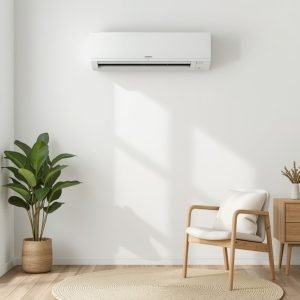
As a technician, I like to place split systems within the wider idea of what is heating ventilation and air conditioning because it helps people understand the bigger picture. Heating ventilation and air conditioning refers to how we manage indoor comfort through temperature control and air movement. A split system is one way to achieve this, especially when ducted options are not practical.
In homes where space is tight, a split system can handle comfort needs without major structural changes. Compared to large central systems, it focuses on specific rooms rather than the whole house. This room by room approach often suits people who value calm, uncluttered spaces and prefer adjusting comfort only where they spend the most time.
Learn more about our appliance repair services
What is split system air conditioning vs reverse cycle systems
I am often asked about the difference between cooling only units and reverse cycle models. When discussing what is split system air conditioning, it helps to understand the reverse cycle split system meaning. A reverse cycle unit can cool your home in summer and warm it in winter by reversing the flow of refrigerant.
This dual purpose design is common in Australia, where weather can swing between hot days and cool nights. Instead of separate heaters and coolers, one unit quietly manages both. For small homes or apartments, this keeps rooms visually clean and avoids extra appliances taking up valuable space.
What is split system air conditioning in Australia today
When people search what is split system air conditioning in australia, they are usually thinking about climate and energy costs. Australian homes vary widely, from coastal apartments to inland houses with strong sun exposure. Split systems are popular because they handle these conditions well without complex installation.
In many Australian homes, insulation levels differ from room to room. A split system allows targeted comfort where it is needed most. Bedrooms stay cool at night, living areas remain comfortable during the day, and unused rooms do not waste energy. This practical flexibility fits modern living patterns and smaller urban layouts.
Energy use and daily habits
One of the most common questions I hear is Do split systems use a lot of electricity? The honest answer depends on how they are used. When maintained properly and sized correctly, they are quite efficient. Modern inverter technology allows the system to adjust output instead of constantly switching on and off.
From the perspective of what is heating ventilation and air conditioning, efficiency comes from balance. Closing doors, using curtains, and setting reasonable temperatures all help. In well designed spaces with natural light and airflow, a split system does not have to work as hard, which keeps energy use steady and predictable.
Installation realities and costs
Split system air conditioning installation is usually straightforward, but it still deserves careful planning. As a technician, I always look at wall strength, outdoor placement, and drainage. These details affect long term performance and noise levels. Rushing installation often leads to problems later.
Air Conditioner Installation Cost varies depending on unit size, wall type, and access. In apartments or heritage homes, costs can be higher due to restrictions. Still, compared to ducted systems, split units often remain more affordable and less disruptive, especially when space and design are priorities.
Understanding multi split system options
For homes with more than one room to manage, a Multi Split system air conditioner can be a gentle solution. This setup allows several indoor units to connect to one outdoor unit. It reduces outdoor clutter and keeps balconies or gardens visually calm.
From a design point of view, this works well in compact homes where outdoor space is limited. Each room maintains its own comfort level without multiple external units breaking the flow of the building exterior. It is another example of how what is heating ventilation and air conditioning adapts to modern living needs.
How to tell what system you already have
Many homeowners ask How do I know if I have a split AC system? The simplest sign is having an indoor wall mounted unit and a separate outdoor box. There are no ceiling vents or large ducts. The system usually serves one room or a few specific areas rather than the whole house.
Understanding this helps when planning upgrades or maintenance. Knowing where your system sits within what is heating ventilation and air conditioning makes conversations with technicians clearer and ensures you get advice suited to your space, not a generic answer.
Living comfortably with limited space
When people truly understand what is split system air conditioning, they often relax about their space limitations. These systems are designed to work with modern interiors, not against them. Soft lighting, natural textures, and thoughtful furniture placement all pair well with a discreet indoor unit quietly doing its job.
Over time, good habits and regular servicing keep the system reliable. Comfort does not need to dominate the room visually. It can sit quietly in the background, supporting a calm and balanced home environment that feels personal and lived in. energy efficiency of split system air conditioners .
A thoughtful way forward
As someone who installs and repairs these systems every day, I see how much peace they bring when chosen carefully. Understanding what is heating ventilation and air conditioning helps homeowners make decisions that suit both their comfort and their space. Split systems are not about excess. They are about thoughtful balance.
If you are planning changes, take your time. Look at your rooms, how light moves, where you spend your hours. When comfort aligns with design, the result feels natural and lasting. That is usually when people tell me they wish they had done it sooner.

